Tennessee's Equestrian Ground Experts
Precision-built arenas and ground solutions for the Walking Horse State—engineered for Tennessee's clay soils, humidity, and year-round riding.
Equestrian & Ground Solutions in Tennessee
Tennessee is deeply rooted in horse culture, home to the Tennessee Walking Horse and a thriving equestrian community that spans disciplines from gaited breeds and saddle seat to hunter-jumper and eventing. With over 190,000 horses—ranking the state among the top 10 nationally—Middle Tennessee in particular is one of America's premier equestrian regions. The state's limestone-over-clay geology, 48–55 inches of annual rainfall, and humid summers demand facilities built with proper drainage, soil management, and climate-appropriate footing.
Tennessee Climate Considerations
Tennessee's humid subtropical climate brings hot, humid summers (90°F+ with high dew points), moderate winters with occasional ice storms, and significant rainfall year-round. The state's soils vary from rich limestone-based loam in the Nashville Basin to heavy red clay in East Tennessee and sandy alluvial soils along the Mississippi. Clay soils are the primary arena construction challenge—they swell dramatically when wet and crack when dry. We excavate problem clay, install engineered drainage, and specify footing that performs through Tennessee's wet springs and humid summers.
Full-Service Solutions in Tennessee
- Horse Arenas (Outdoor, Indoor, Covered)
- Steel Covered Arena Structures
- Round Pens & Training Pens
- Paddocks & Runs
- Steel Fencing
- Eurowalkers & Exercisers
- Barn Rubber & Stall Systems
- Arena Borders & Kickboards
- Footing Maintenance & Training
- Driveways & Access Roads
- Permeable Parking
What We Build
Tennessee Services
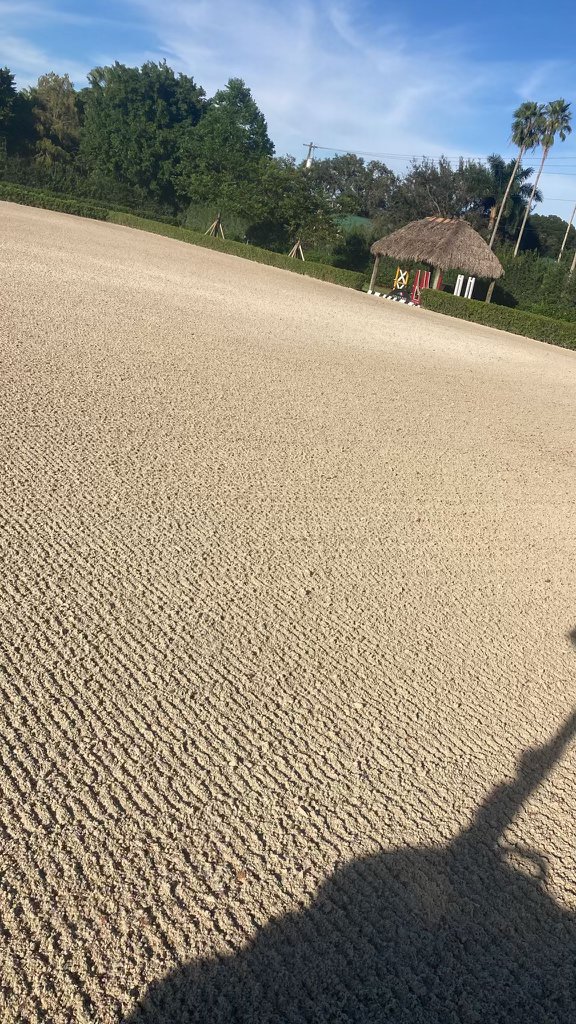
Horse Arenas in Tennessee
Complete arena construction—outdoor, indoor, and covered—engineered for Tennessee's climate with proper drainage, footing, and year-round performance.
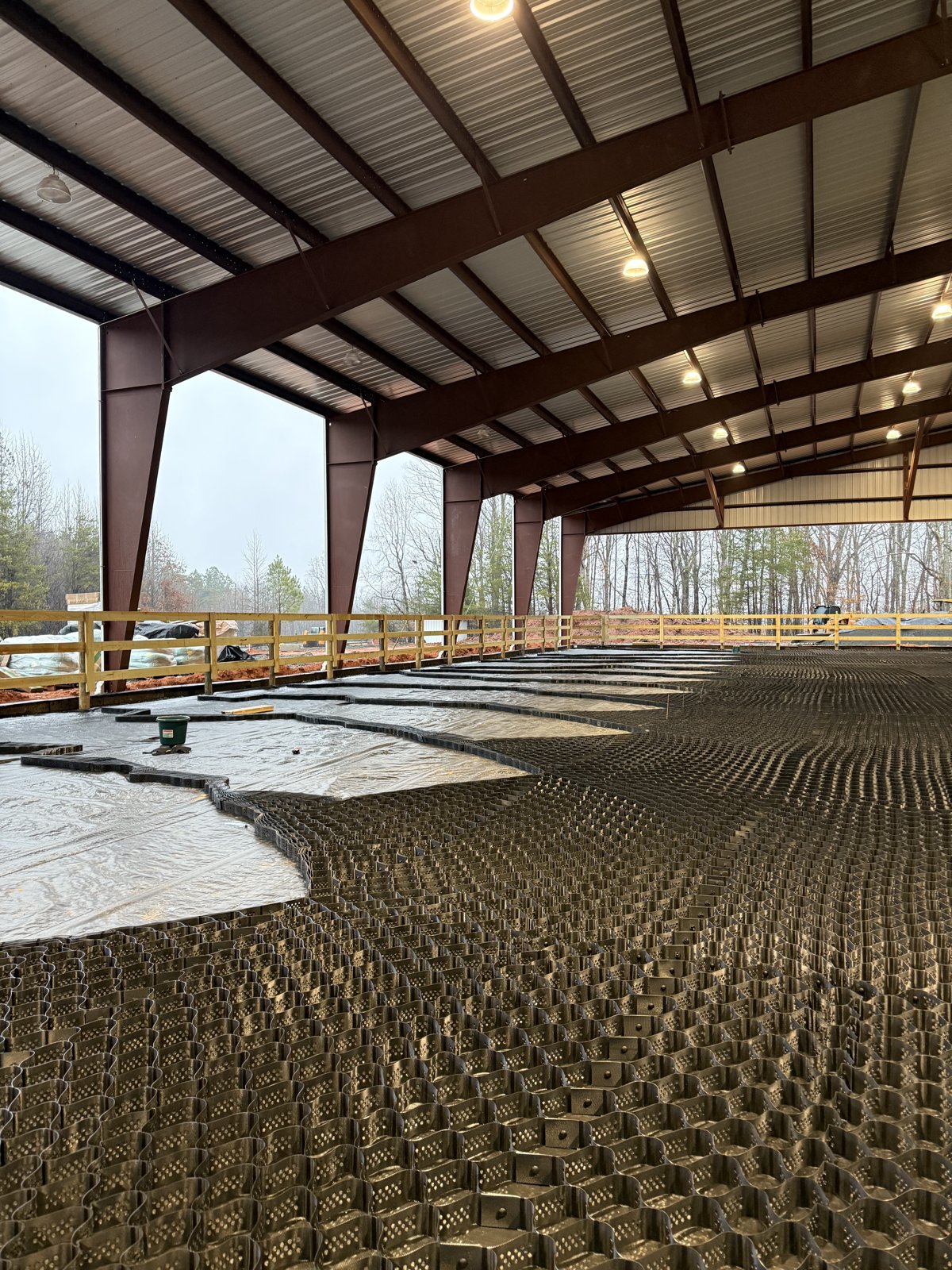
Steel Covered Arenas
Pre-engineered steel riding structures designed for durability, airflow, and all-weather protection. Built to handle Tennessee conditions.
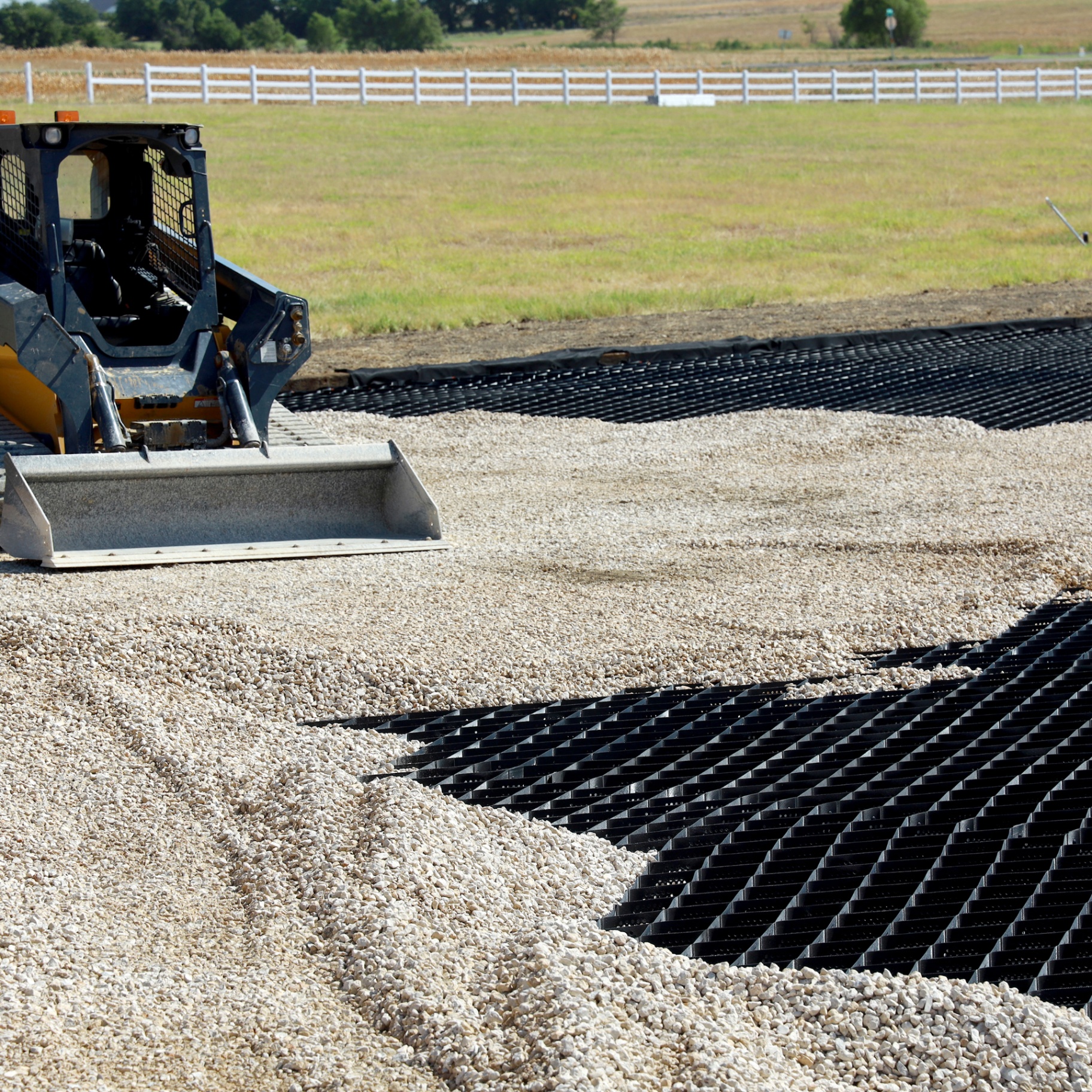
Steel Fencing & Paddocks
Heavy-duty steel pipe and rail fencing for arenas, paddocks, and perimeters. Low-maintenance, safe, and built to last in Tennessee.
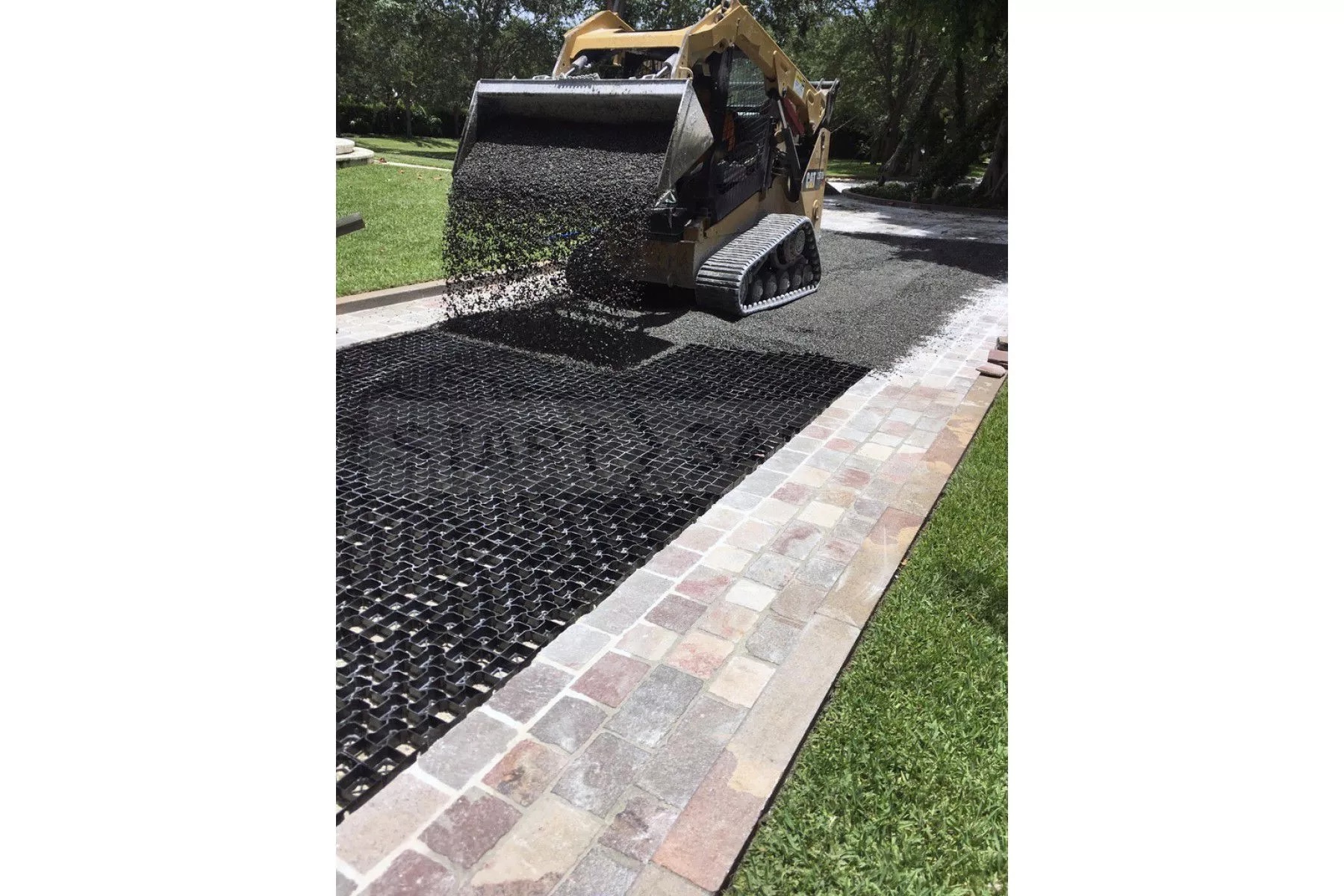
Driveways, Roads & Parking
Stabilized gravel driveways, access roads, and permeable parking solutions engineered for heavy loads and Tennessee weather.
Common Questions
Tennessee Arena Construction FAQ
How much does it cost to build a horse arena in Tennessee?
Tennessee horse arena construction typically ranges from $14,000 to $85,000+ depending on size, soil conditions, footing type, and structure. Middle Tennessee's limestone-rich soils may simplify drainage in some areas, while East Tennessee's heavy clay requires significant remediation.
How do you handle Tennessee's clay soils?
Tennessee's clay soils—especially the red clay in East Tennessee—swell when wet and crack when dry, making them unsuitable as arena bases without remediation. We excavate clay, install geotextile barriers, and build engineered bases with free-draining aggregate. In the Nashville Basin, limestone-based soils often provide better natural drainage.
What arena footing works best in Tennessee?
Tennessee's humid climate with 48–55 inches of annual rainfall demands fast-draining footing. We use sand-fiber blends that shed water quickly during spring rains and summer thunderstorms while maintaining cushion in humid conditions. Proper subsurface drainage is critical—Tennessee's rainfall can overwhelm poorly engineered bases.
Do you build covered arenas in Tennessee?
Yes, covered arenas are increasingly popular in Tennessee. While the state offers year-round riding, frequent thunderstorms and summer heat make covered facilities a smart investment. Our steel structures provide all-weather protection while maintaining airflow for Tennessee's humid conditions.
What areas in Tennessee do you serve?
We serve all of Tennessee including Nashville, Murfreesboro, Franklin, Shelbyville, Lebanon, Gallatin, Columbia, Lewisburg, Chattanooga, Knoxville, Cookeville, Tullahoma, and equestrian communities across the Volunteer State.
Why is Tennessee a great state for horse owners?
Tennessee ranks among the top 10 states for horse population (190,000+ horses) and offers year-round riding, affordable land, a strong equestrian community, and the heritage of the Tennessee Walking Horse. Middle Tennessee in particular—the Shelbyville-to-Franklin corridor—is one of America's premier equestrian regions with excellent infrastructure, veterinary services, and show venues.
Areas We Serve
Cities We Serve in Tennessee
Our independent installer network serves Tennessee and surrounding areas. Don't see your city? We likely cover it—give us a call.
Ready to Build in Tennessee?
Contact our team for a free consultation and quote on your Tennessee equestrian or ground project.
Independent installers. GroundShapers is a product, software and installer-matching platform — not the construction contractor. Independent Pros contract directly with you and are responsible for their own licensing, insurance, permits, pricing and workmanship. GroundShapers does not perform site work, does not warrant a Pro's workmanship, and is not a party to any contract you sign with a Pro. Project assessments are not a final bid.
Network expansion in Beta — coverage varies by region. See our Terms and Privacy Policy.
We use essential cookies to run this site and optional analytics cookies (Google Analytics) to understand how it's used. See our Privacy Policy and Terms.